

Biomedical & Health Sciences
Past Research Projects

Research track

Biomedical & Health Sciences

This track focuses on understanding human health, disease mechanisms, and physiological systems, including the influence of environmental and internal factors.

Subcategories

Cell, Organ, and Systems PhysiologyGenetics and Molecular Biology of DiseaseImmunologyNutrition and Natural Products

Related projects

Student-led work guided by OMOTEC mentors — peer-reviewed venues vary by paper.

Visual for: Design of Smart Watch for Detection and Monitoring Obstructive Sleep ApneaPaper 1
Springer

Design of Smart Watch for Detection and Monitoring Obstructive Sleep Apnea

Authors: Ansh Marfatia

Abstract

Obstructive Sleep Apnea (OSA) is a prevalent sleep disorder characterized by repeated episodes of partial or complete upper airway obstruction during sleep, resulting in apnea or hypopnea events that disrupt normal breathing patterns. These interruptions reduce blood oxygen levels, impair sleep quality, and may contribute to serious long-term health complications. Conventional diagnostic methods such as polysomnography, clinical symptom assessment, questionnaires, and physical examinations are often time-consuming, expensive, and require expert medical supervision. This study presents the development of a portable, machine learning–based diagnostic device for efficient detection and monitoring of OSA. The proposed system integrates multiple physiological parameters, including oxygen saturation (SpO₂), heart rate, chest movement, and snoring sound patterns, to assess sleep apnea events in real time. A logistic regression algorithm is employed to analyze the collected multimodal data and classify the presence of OSA episodes with high accuracy.

Keywords
OSAApneaPolysomnographyhypopneasSpO2
Visual for: Detecting and Validating the Emotions in Alzheimer’s Patients by Voice Analysis, Computer Vision and Deep LearningPaper 2
Journal of Student Research (JSR)

Detecting and Validating the Emotions in Alzheimer’s Patients by Voice Analysis, Computer Vision and Deep Learning

Authors: Krishni Khanna

Abstract

Alzheimer’s disease is a degenerative disorder of the brain that affects memory and cognitive function, and is becoming more prevalent as the population ages. Alzheimer causes brain cells of a person to die, and with time the brain works less. As a result of this there is a change in the behavior and personality of Alzheimer patients. It is observed that the patients very often suffer from fluctuating mood. Due to the change in mood of the patient, the caretaker or the attendant of the patient is unable to distinguish what triggered the changes, and provide proactive support or timely intervention. Hence the study is undertaken to detect the mood of the Alzheimer’s patient employing the voice analysis, computer vision and deep learning. This paper comprises of two phases. The first phase detects the emotions of the patients in real time with the help of computer vision (CV), voice analysis (VA) and Convolutional Neural Network (CNN). Two CNN models were trained, first with the attributes extracted from the image and second the features extracted from the voice dataset. Then the predictions are compared to get the result from the proposed model. The second phase of the paper examines the practicality of the proposed approach by applying it to detect the emotions in four Alzheimer’s patients. Finally, the results are compared and validated. Overall, the proposed model holds promise as a valuable tool in the real time detection of emotions in Alzheimer patient, enabling timely intervention and improved patient outcomes.

Keywords

Alzheimer’s DiseaseEmotion DetectionMood MonitoringDeep Learning
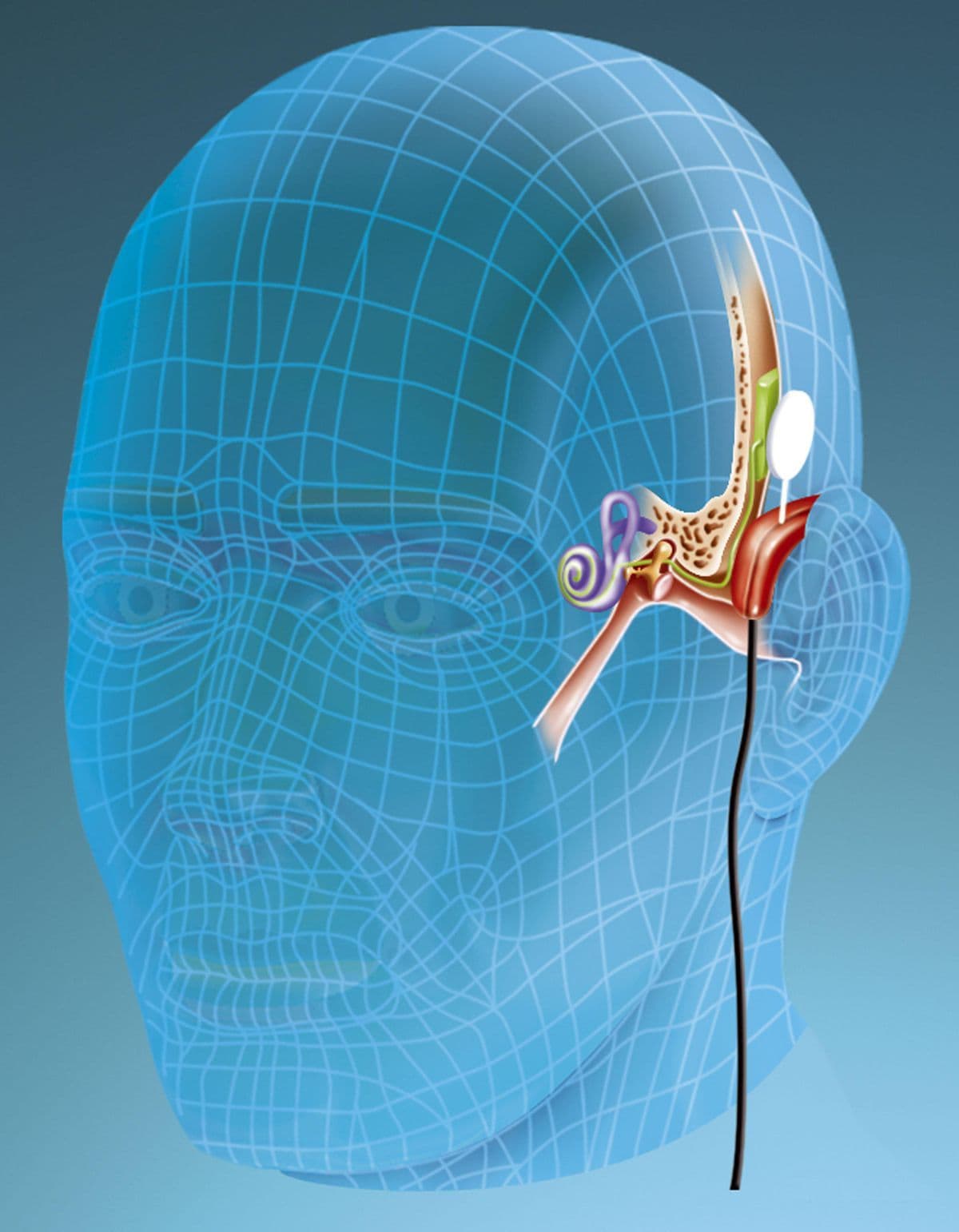
Visual for: Development of a Speech-to-Text Emotion and Speaker Recognition System for Individuals with Hearing ImpairmentsPaper 3
IEEE

Development of a Speech-to-Text Emotion and Speaker Recognition System for Individuals with Hearing Impairments

Authors: Mrityunjay Gupta

Abstract

Individuals with hearing impairments often face challenges in understanding the emotional context of spoken communication, as conventional speech-to-text systems focus only on transcription. This project presents a Speech-to-Text Emotion and Speaker Recognition System that integrates real-time speech transcription with emotion and speaker identification to improve communication accessibility. The system uses MFCC-based audio feature extraction and a CNN model for speaker classification, achieving 99.3% accuracy, along with a pretrained Wav2Vec2 model for emotion recognition across categories such as happy, sad, angry, fearful, and neutral. Designed to adapt to different voices and speaking styles, the system demonstrated accurate real-time performance with low response time, making communication more expressive and inclusive for individuals with hearing impairments.

Keywords

Speech-to-TextEmotion RecognitionAssistive TechnologyDeep LearningSpeaker Audio Classification